Re:Write
Re:Write
Summary
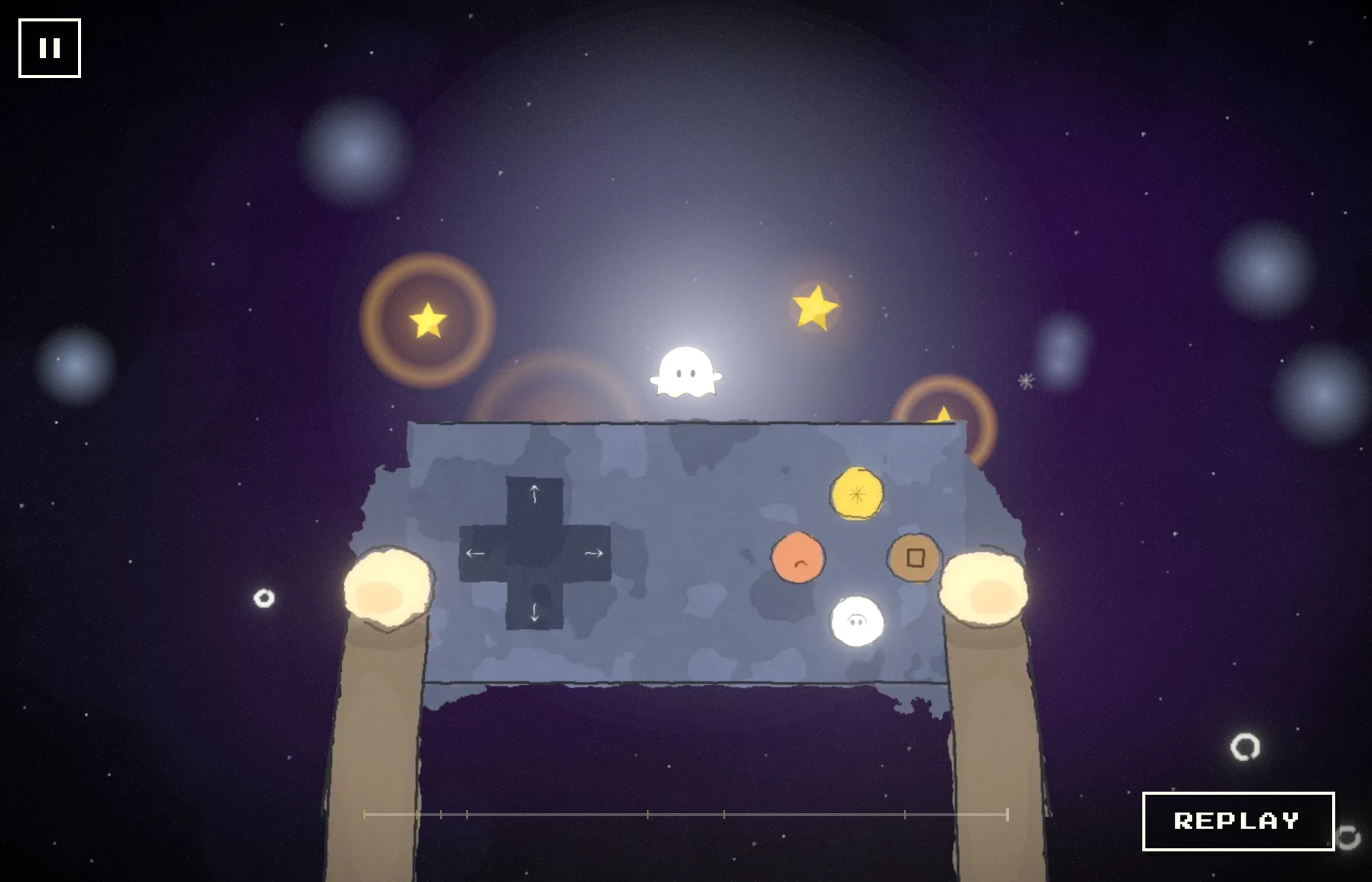
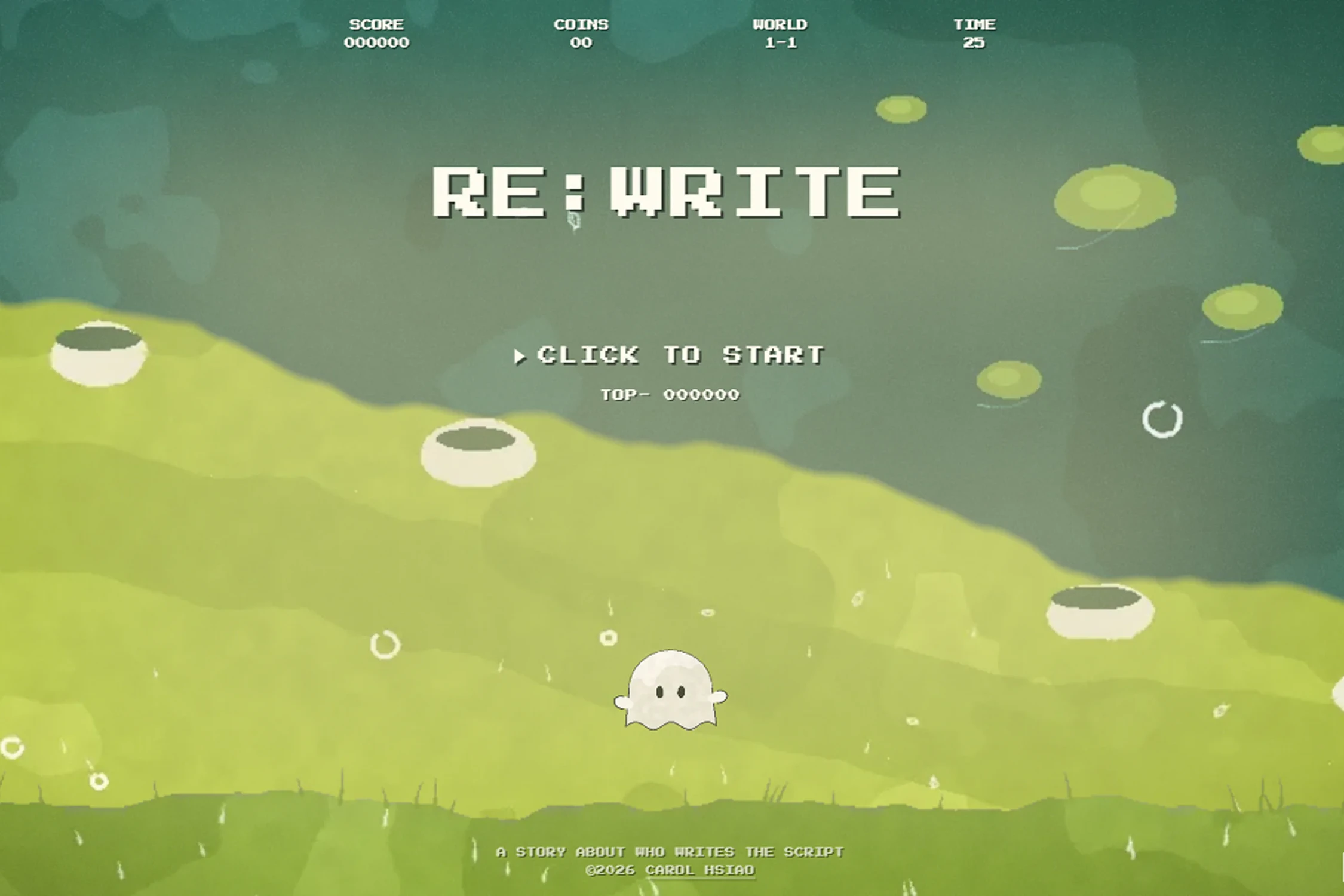
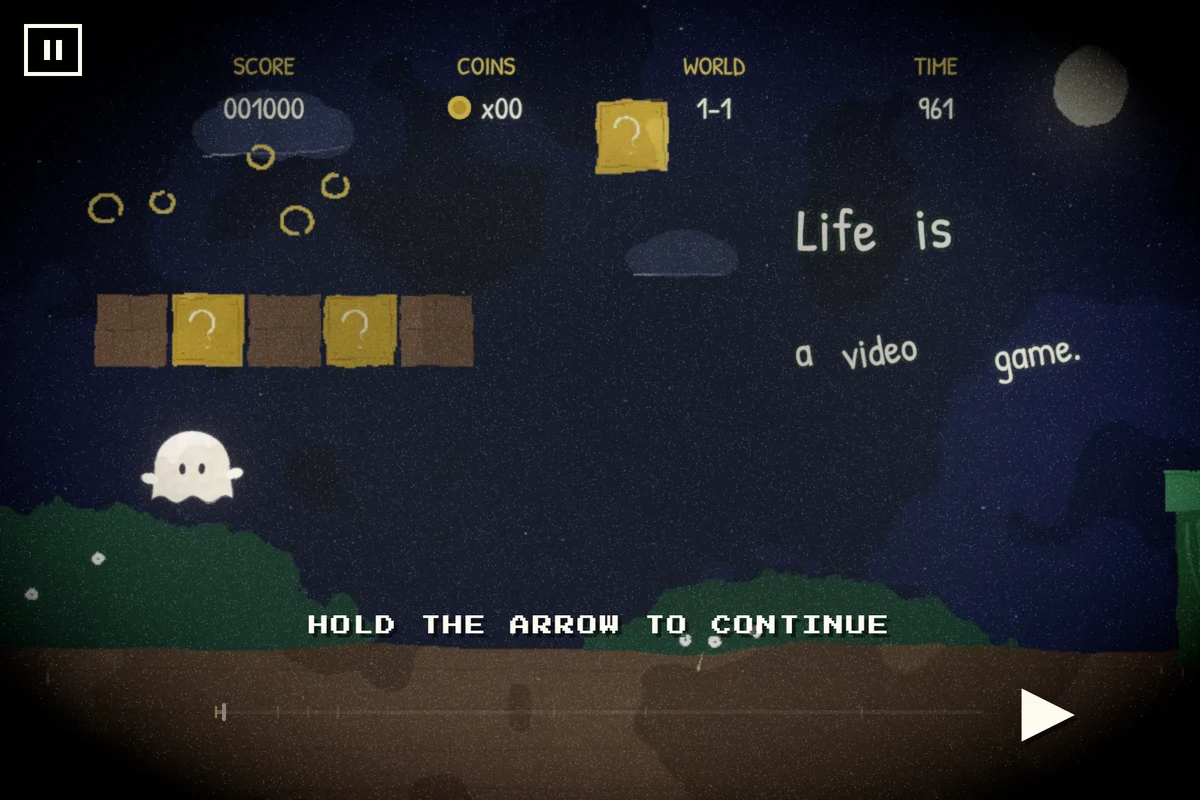
Life plays a lot like a video game. The controls have been in people’s hands the whole time, most just never notice. Re:Write is me taking that one thought and turning it into a story users move through. From the concept and the art direction down to a 2.5D build that holds 60fps, I built the whole thing working with AI, in two weeks.
Scope
Art direction, illustration, narrative design, interaction design, sound design, creative front-end development
Stack
React 19, React Three Fiber (drei + postprocessing), GLSL shaders, Vite
Focus
Story-as-interaction, scroll choreography, performance tuning
Process
1Set the pacing on paper first
It all starts with wireframes on paper, working out the narrative pacing, where a line should break, where a scene turns, which frame lingers a little longer, and which key moments deserve extra emphasis.
2Proved the scroll before the art
Before any of the art existed, a grey box version proved this kind of 2.5D scroll would actually run. Only once it held up did the painting start.
3Spent the most time on transitions
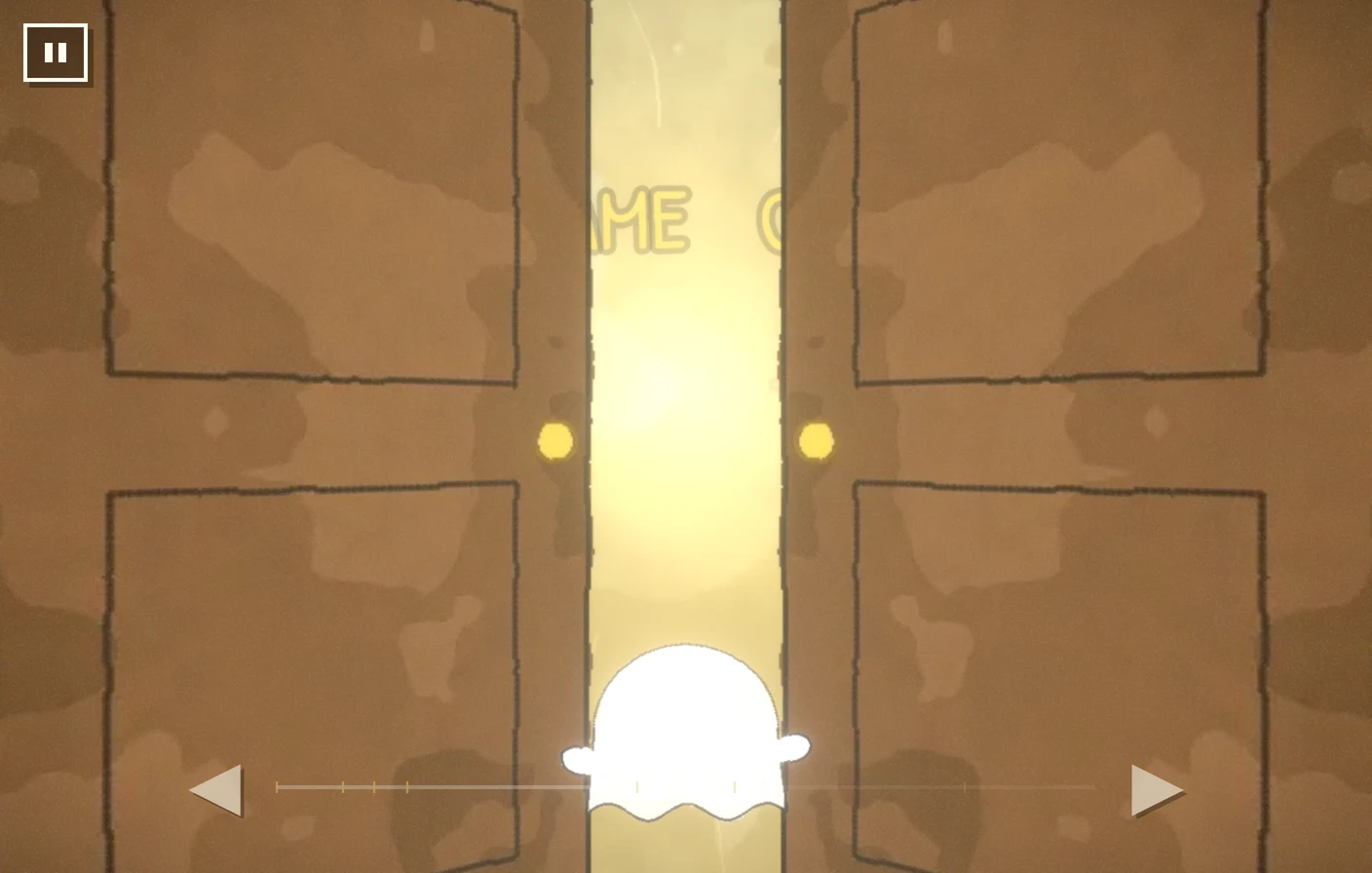
A separate experimental site went up just for transitions, with the post-processing reworked over and over until every cut landed on the right beat of the story.
Highlights
The art is all painted by code
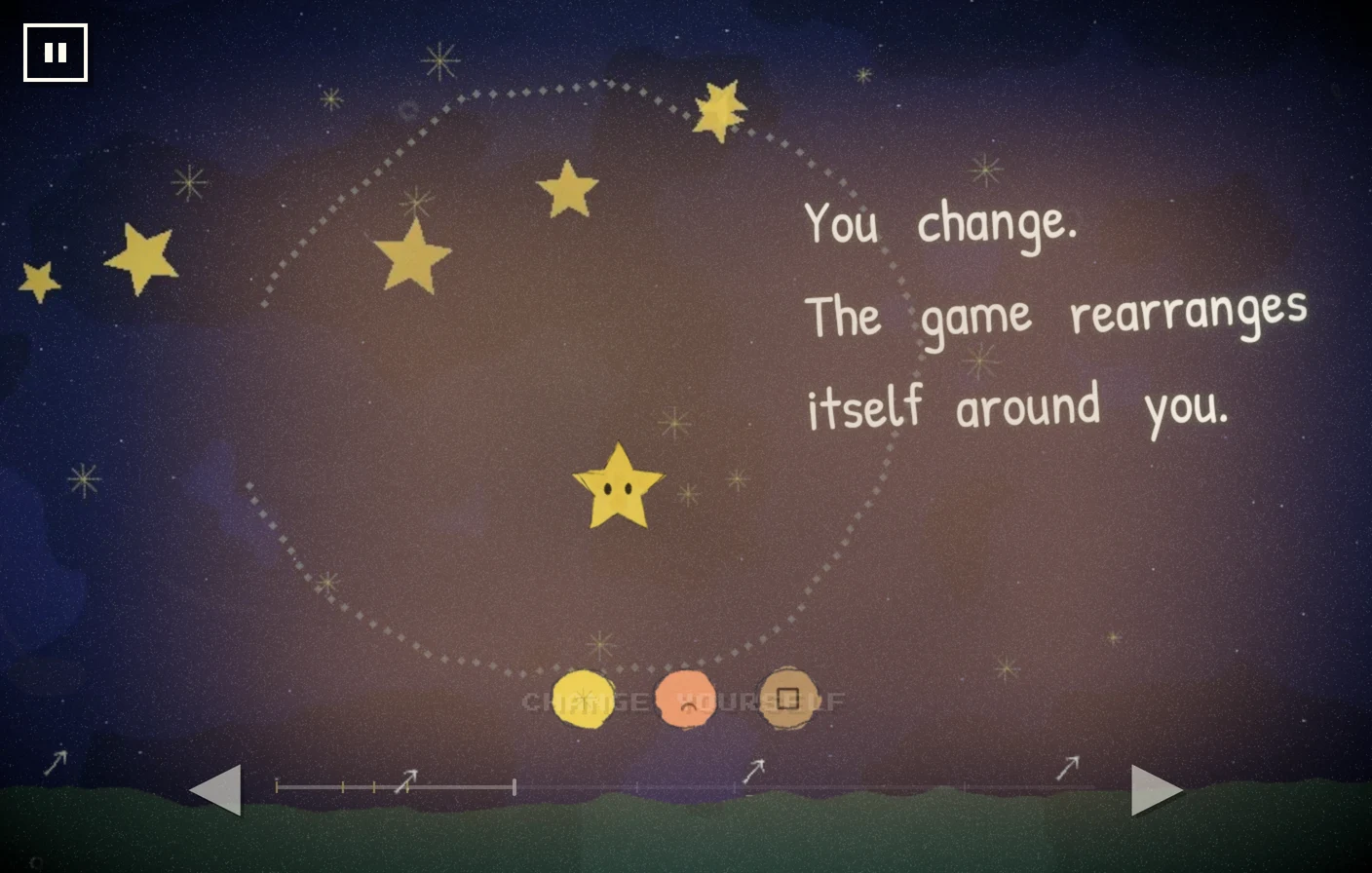
The hand drawn look is painted entirely by code, so changing a drawing means editing a few lines and running it again. That one approach is the whole reason the site went from nothing to launched in two weeks.
The whole story hangs on one number
Every scene is a row in a table, all of it hanging on a single scroll value from 0 to 1, so adding a scene is just adding a row. It is the most technical piece of the project, and it is why the whole thing holds a steady 60fps.
Mobile got its own design
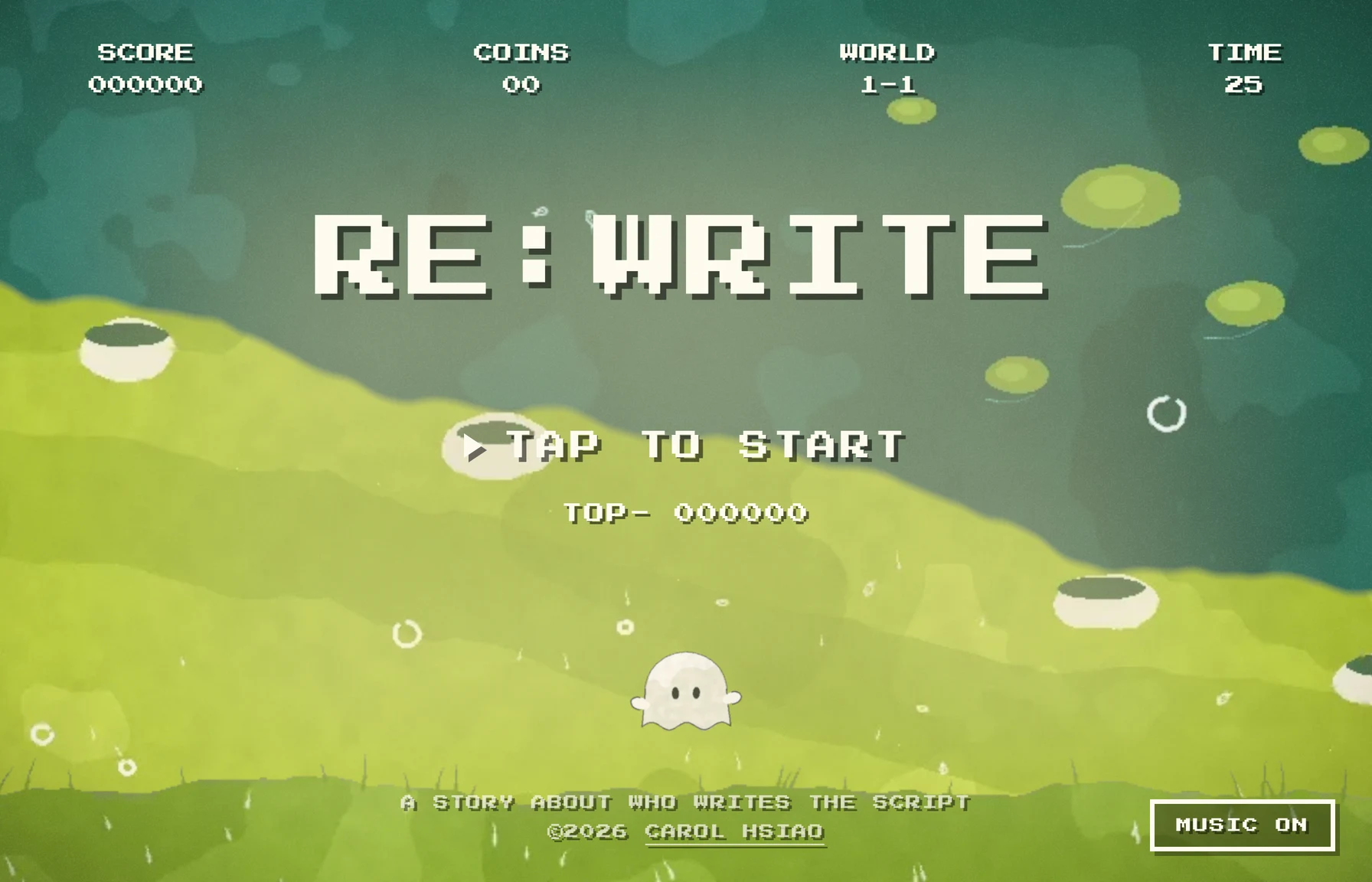
A phone has no scroll wheel, so the mobile interaction is a different set of controls from desktop, switched to gesture buttons and a progress bar to guide the way.